

Building a sustainable online presence today is no longer about running random ads or publishing occasional blogs—it’s about designing a complete growth engine that guides your audience from discovery to conversion and beyond. A Digital Marketing Agency in Gurgaon like EOAN Technologies understands this shift and focuses on crafting strategies that are not just creative, but measurable, scalable, and deeply aligned with business goals.
When you think about growth, imagine a funnel—not a rigid pipeline, but a dynamic ecosystem where each stage plays a role in nurturing potential customers. From awareness to retention, every touchpoint matters. According to insights from Eoan Technologies, businesses that rely on structured, data-driven campaigns consistently achieve higher ROI and stronger brand positioning.
So, how do you actually build a full-funnel strategy that works in the competitive Gurgaon market? Let’s break it down step by step.
Understanding the Full-Funnel Marketing Approach
A full-funnel strategy isn’t just a buzzword—it’s the backbone of modern digital success. Think of it as a journey your customer takes, from first hearing about your brand to becoming a loyal advocate.
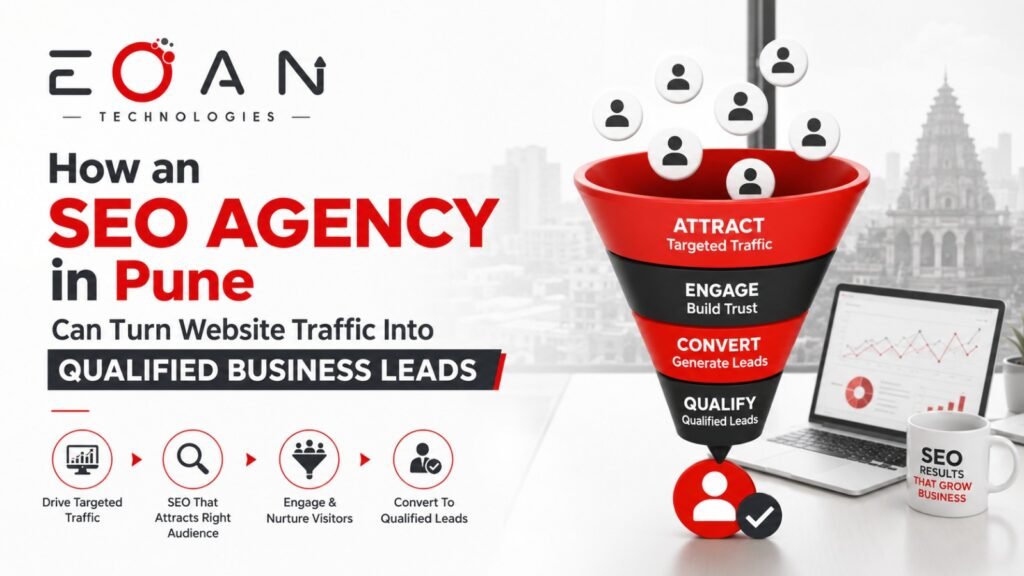
At the top of the funnel, your goal is visibility. You want people to know you exist. In the middle, you nurture interest and build trust. At the bottom, you drive conversions. But here’s the twist—today’s funnels are no longer linear. Customers jump between stages, revisit touchpoints, and expect consistency across platforms.
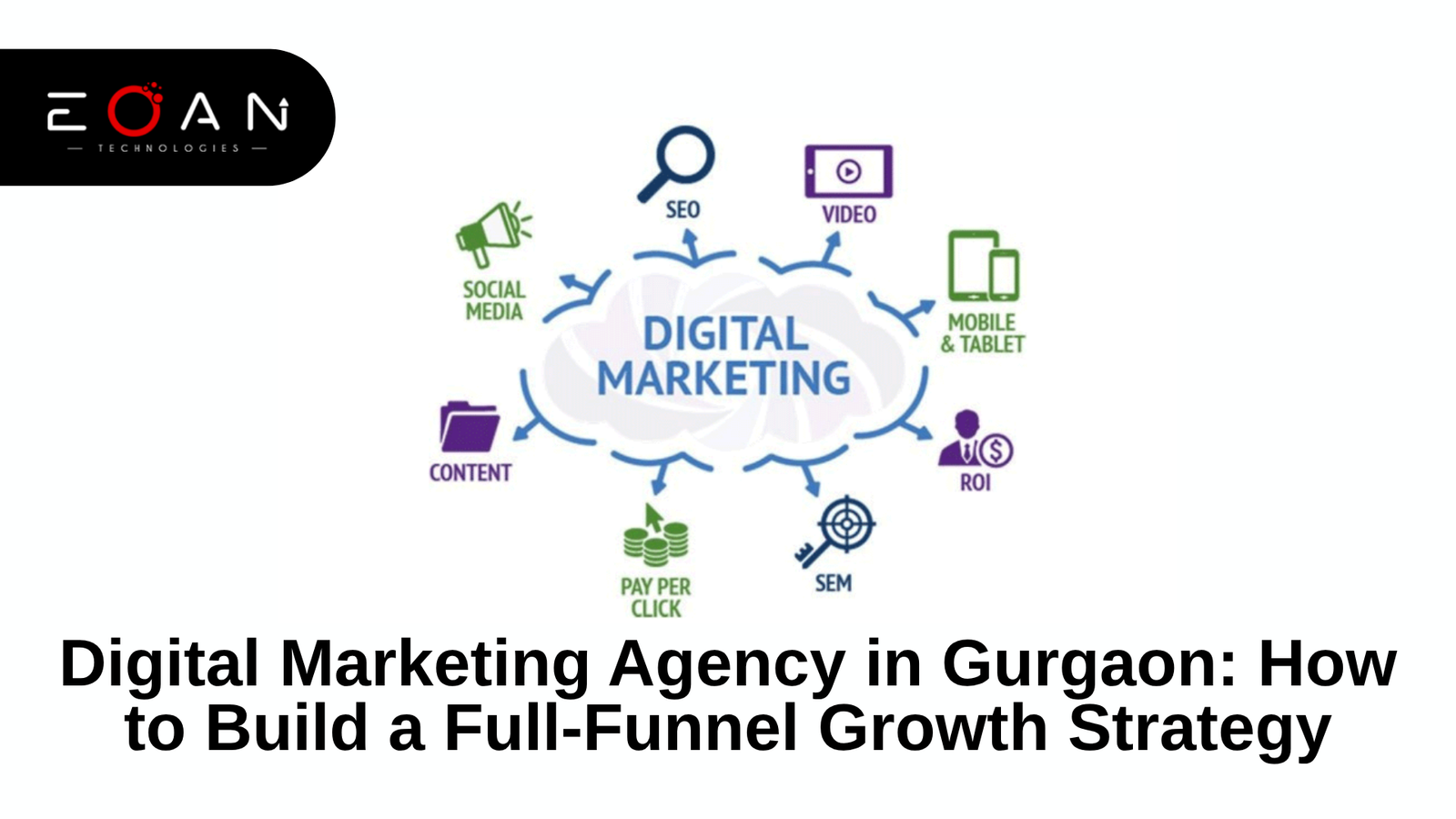
That’s why businesses working with a Digital Marketing Agency in Gurgaon often prioritise integrated campaigns. These campaigns connect SEO, social media, paid ads, and content marketing into one seamless experience. It’s not about isolated efforts anymore; it’s about synergy.
What makes this approach powerful is its adaptability. You can track user behaviour, tweak campaigns in real time, and continuously optimise performance. Instead of guessing what works, you rely on data. And when data drives decisions, growth becomes predictable rather than accidental.
Top of the Funnel: Building Awareness That Actually Converts
Creating Visibility Through Content and SEO
At the top of the funnel, your focus is simple—get noticed. But getting noticed in a crowded digital space is easier said than done. You’re not just competing with direct competitors; you’re competing with every piece of content your audience consumes daily.
This is where high-quality content and SEO come into play. A well-optimised blog, an engaging social media post, or a targeted ad campaign can introduce your brand to the right audience at the right time. The key is relevance. If your content solves a problem or answers a question, people will naturally engage with it.
Leveraging Paid Ads for Instant Reach
Organic strategies take time, but paid campaigns can accelerate visibility. Platforms like Google Ads and Meta Ads allow you to target specific demographics, ensuring your message reaches the right people. Businesses focusing on performance marketing gurgaon often combine paid and organic efforts to maximise reach while maintaining cost efficiency.
Here’s what works best at this stage:
- Educational blog posts that answer common queries
- Engaging social media content that sparks curiosity
- Video marketing that tells your brand story
- Paid ads targeting high-intent audiences
The goal isn’t immediate sales—it’s awareness. You’re planting seeds that will grow into conversions later.
Middle of the Funnel: Turning Interest into Trust
Building Relationships Through Value-Driven Content
Once people know about your brand, the next step is to keep them interested. This is where many businesses fail—they focus too much on selling and forget about nurturing. But here’s the truth: people don’t buy from brands they don’t trust.
To build trust, you need to provide consistent value. Think of case studies, email newsletters, webinars, and detailed guides. These formats help you demonstrate expertise and position your brand as an authority.
Implementing a Strong Lead Generation Strategy
A solid lead generation strategy ensures that you’re not just attracting visitors but converting them into potential customers. This involves capturing user information through landing pages, forms, and gated content.
Effective techniques include:
- Offering free resources like eBooks or templates
- Creating high-converting landing pages
- Using retargeting ads to re-engage visitors
- Personalising email campaigns based on user behaviour
This stage is all about nurturing. You’re guiding your audience, answering their doubts, and slowly moving them closer to a purchase decision.
Bottom of the Funnel: Driving Conversions That Matter
Optimising for High-Intent Users
At the bottom of the funnel, your audience is ready to make a decision. They’ve done their research, compared options, and are now looking for the final push. Your job is to remove any remaining friction.
This is where conversion-focused strategies come into play. Think testimonials, case studies, product demos, and clear calls to action. According to data-driven agencies, businesses that optimise their conversion paths see significantly higher ROI.
Using Data to Improve Conversion Rates
Data is your best friend at this stage. By analysing user behaviour, you can identify bottlenecks and optimise accordingly. A/B testing, heatmaps, and analytics tools help you understand what works and what doesn’t.
Here’s a quick comparison of common conversion tactics:
| Strategy | Purpose | Impact |
| Landing Page Optimisation | Improve user experience | Higher conversions |
| Retargeting Ads | Re-engage interested users | Increased ROI |
| Social Proof | Build trust | Better credibility |
| Clear CTAs | Guide user actions | Faster decisions |
The goal is simple—make it easy for users to say yes.
Retention & Loyalty: The Often-Ignored Growth Engine
Many businesses stop at conversions, but that’s a mistake. The real growth lies in retention. A satisfied customer is more likely to return, refer others, and become a brand advocate.
Retention strategies include email marketing, loyalty programmes, and personalised communication. By staying connected with your customers, you ensure long-term growth rather than short-term wins.
Think about it would you rather constantly chase new customers or build a loyal base that keeps coming back? The answer is obvious.
Integrating Channels for a Seamless Marketing Funnel
Why Omnichannel Marketing Matters
A modern marketing funnel isn’t limited to one platform. Your audience interacts with your brand across multiple channels—search engines, social media, email, and more.
To create a seamless experience, you need to integrate these channels. This means consistent messaging, unified branding, and coordinated campaigns. When everything works together, the impact multiplies.
Aligning Teams and Tools
Integration isn’t just about platforms—it’s also about people and processes. Your marketing, sales, and customer support teams need to work together. Tools like CRM systems and marketing automation platforms can help streamline this process.
The result? A smoother customer journey, better communication, and improved outcomes.
Call to Action: Ready to Build a Scalable Growth Funnel?
If you’re serious about scaling your business, it’s time to move beyond fragmented marketing efforts and adopt a full-funnel approach. The right strategy doesn’t just bring traffic—it brings qualified leads, consistent conversions, and long-term growth.
At EOAN Technologies, the focus is on crafting customised, data-driven strategies that align with your business goals. Whether you’re looking to improve visibility, generate leads, or boost conversions, a structured funnel can transform your results.
Take the next step—build a marketing system that works for you, not against you.
Conclusion
A full-funnel growth strategy isn’t optional anymore—it’s essential. Businesses that embrace this approach gain a competitive edge, improve customer experiences, and achieve sustainable growth. From awareness to retention, every stage plays a crucial role in shaping your success.
By integrating channels, leveraging data, and focusing on customer journeys, you can create a marketing system that delivers consistent results. The question isn’t whether you should adopt a full-funnel strategy—it’s how soon you can start.
FAQs
1. What is a full-funnel marketing strategy?
A full-funnel marketing strategy focuses on guiding customers through every stage of the buying journey, from awareness to conversion and retention.
2. Why is a full-funnel approach important?
It ensures that you’re not just attracting traffic but also converting and retaining customers, leading to sustainable growth.
3. How long does it take to see results?
Results vary depending on the strategy, but most businesses start seeing measurable improvements within 3–6 months.
4. Can small businesses benefit from this approach?
Absolutely. A structured funnel helps small businesses compete effectively by optimising resources and targeting the right audience.
5. What tools are essential for full-funnel marketing?
Tools like Google Analytics, CRM systems, and marketing automation platforms are crucial for tracking and optimisation.
6. How do I choose the right digital marketing partner?
Look for an agency with a proven track record, data-driven strategies, and a clear understanding of your business goals.